Modes of Freight Transport
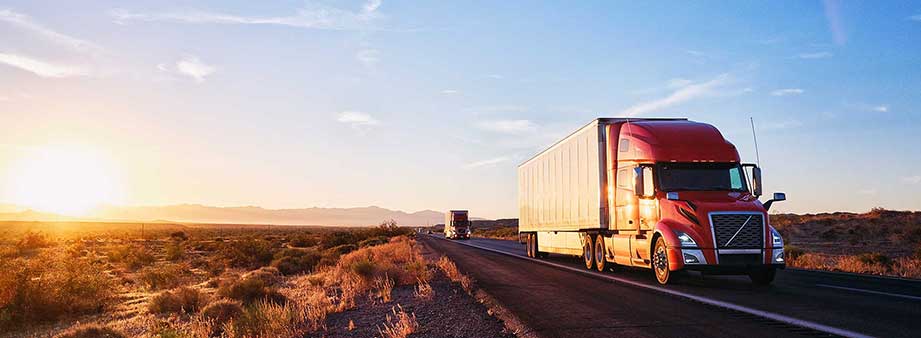
Road Transport: This is the most flexible form of freight transport, using trucks and other vehicles to deliver goods. It’s ideal for short to medium distances and is commonly used for domestic transport.
Road Transport: Railways are used for transporting large volumes of goods over long distances, often for bulk commodities such as coal, steel, and agricultural products.
Sea Transport: Ships carry a large proportion of global trade, especially for intercontinental transport. Containers, bulk carriers, and tankers are widely used for transporting cargo like oil, gas, and manufactured goods.
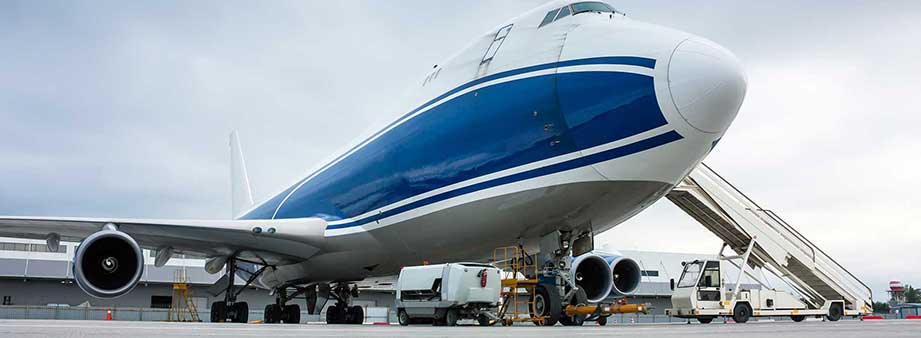
Air Transport: Though expensive, air freight is used for high-value or time-sensitive goods. It provides fast delivery but is typically reserved for items like electronics, pharmaceuticals, and perishable goods.
Types of Cargo
Bulk Cargo: Includes raw materials such as coal, iron ore, and grain. These are typically transported in large quantities without packaging.
Containerized Cargo: The use of standardized containers allows for efficient loading, unloading, and transfer between different transport modes (e.g., ship to truck).
Perishable Goods: Goods like food and flowers that have a limited shelf life and require temperature-controlled transport
Hazardous Materials: Special handling is required for dangerous goods like chemicals and explosives.

Technological Advancements
Green Transport Initiatives: With growing concerns over environmental impact, the freight transport industry is moving toward using electric vehicles, cleaner fuels, and reducing emissions through smarter logistics.
Air Transport: Though expensive, air freight is used for high-value or time-sensitive goods. It provides fast delivery but is typically reserved for items like electronics, pharmaceuticals, and perishable goods.

Challenges in Freight Transport
Infrastructure: Poor infrastructure can lead to delays and increased costs. Ports, roads, and railways need constant investment and maintenance.
Regulations: Varying regulations on weight limits, hazardous materials, and cross-border tariffs can complicate international freight transport.
Environmental Concerns: Freight transport is responsible for a significant portion of global carbon emissions, pushing companies to find sustainable alternatives.
Air Transport: Though expensive, air freight is used for high-value or time-sensitive goods. It provides fast delivery but is typically reserved for items like electronics, pharmaceuticals, and perishable goods.